
Granite is a hard igneous rock mainly composed of minerals such as quartz, feldspar, and mica. Its Mohs hardness ranges from 5 to 7, and it has high strength, corrosion resistance, and wear resistance. After sand making treatment, granite can be made into sand with excellent particle shape and uniform particle size. This type of sand is an important building material that can meet the demand for high-quality aggregates in engineering construction, while also providing a reliable material foundation for various engineering projects. In this article, we will explore the sand production rate, influencing factors, and typical production line configurations of granite sand production.
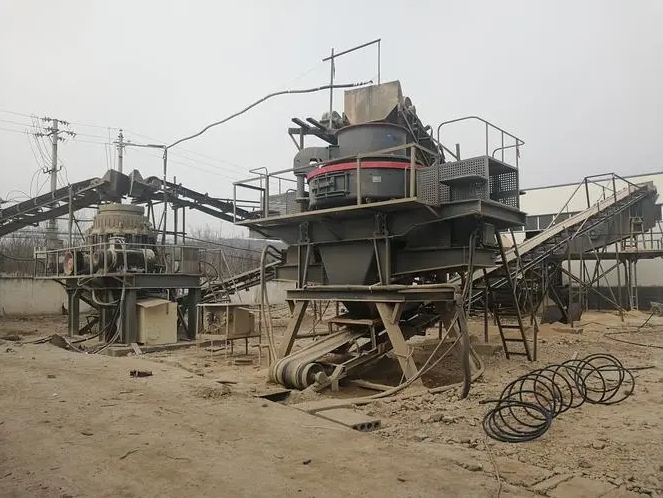
Sand production rate and influencing factors of granite sand production
The sand production rate of granite sand production is mainly influenced by factors such as rock properties, rock size, crushing method, and sand production equipment. According to relevant literature reports, the sand production rate of granite sand is generally between 30% and 50%, which means that each ton of granite can produce 0.3-0.5 tons of sand. However, the actual sand production rate may vary due to various factors.
Among them, the properties of rocks such as hardness and toughness have a significant impact on the sand yield, while the crushing method and sand making equipment can improve the sand yield by selecting appropriate models and parameters.
1. Hardness and toughness
Generally speaking, the higher the hardness of granite, the more difficult it is to break, and the sand yield is relatively low. harder and less resilient granite is more prone to breaking, and the sand yield is relatively high.
2. Rock size
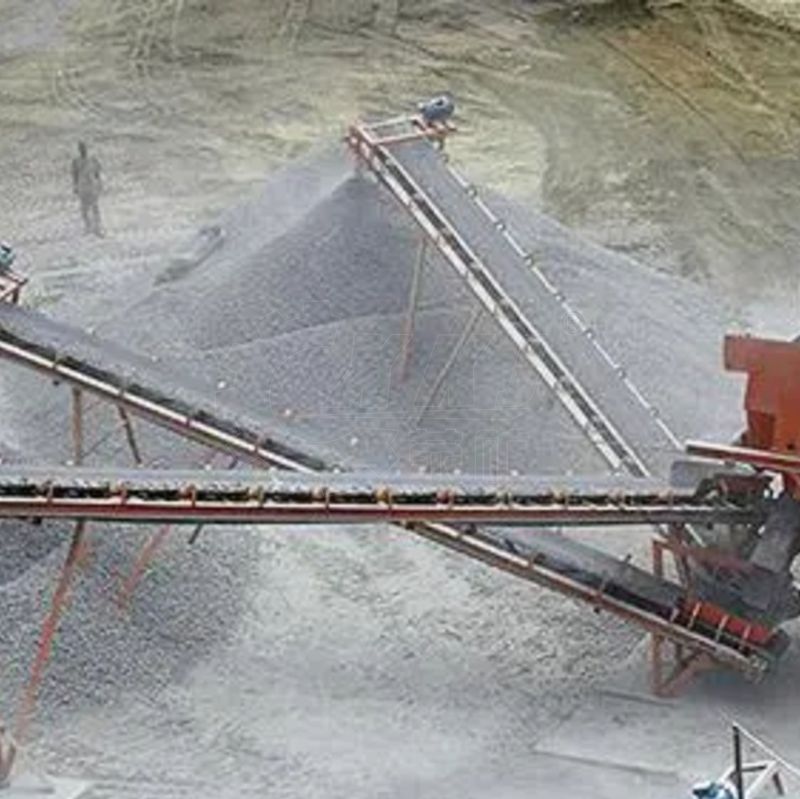
The size of the rock is an important factor affecting the sand production rate. Generally, the larger the particle size of granite, the more difficult it is to break, requiring greater crushing and grinding forces to break it into sand, resulting in a relatively low sand production rate. If the particle size of granite is too large, it will increase equipment wear and energy consumption, and reduce production efficiency. Therefore, in the process of making granite sand, it is necessary to choose granite of appropriate size as the raw material according to the actual situation.
3. Other mineral content
The content of other minerals in granite can also affect the sand production effect, such as high amounts of minerals such as mica, feldspar, quartz, etc., which may reduce the sand production rate.