
In the field of ore crushing, although cone crushers and fine jaw crushers are both fine crushing equipment, there are significant differences in their structural principles and applicable scenarios, which directly affect the equipment selection of the production line.
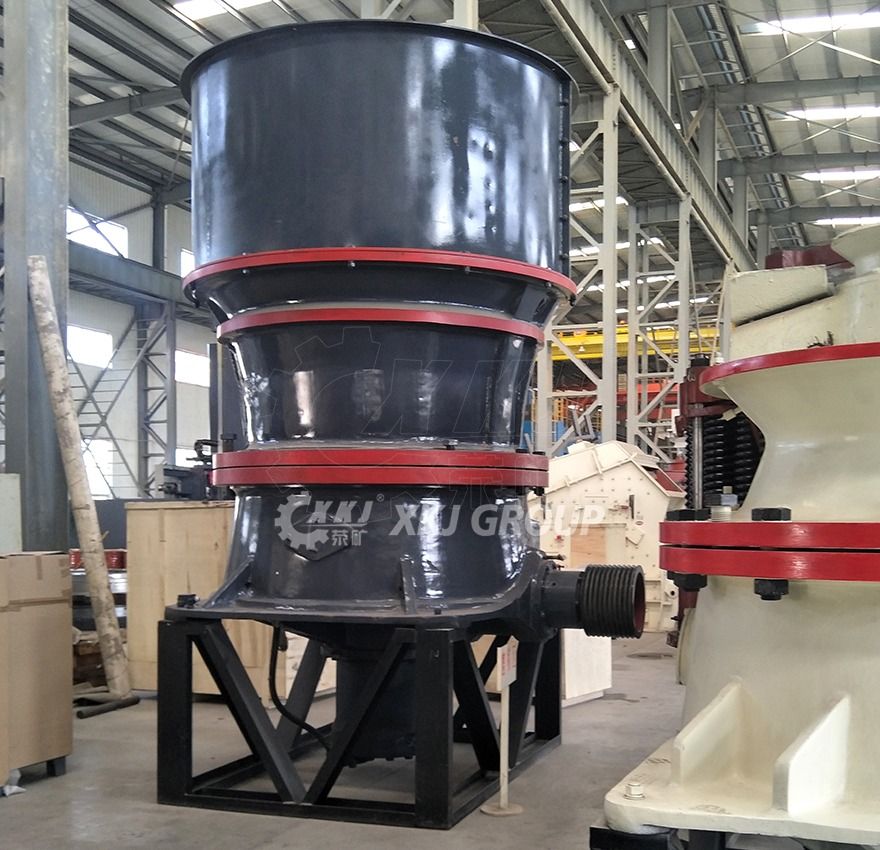
Structural design comparison
The cone crusher adopts an annular crushing chamber composed of a three-dimensional moving cone and a fixed cone. The moving cone swings through the eccentric sleeve to form a continuous progressive crushing space. The fine jaw crusher continues the traditional jaw structure, and drives the moving jaw to swing in a simple arc through the toggle plate to form a linear crushing area that opens and closes periodically. This structural difference makes the overall height of the cone crusher 40%-60% higher than that of the fine jaw crusher of the same specification, but the depth of the crushing chamber increases by more than 30%.
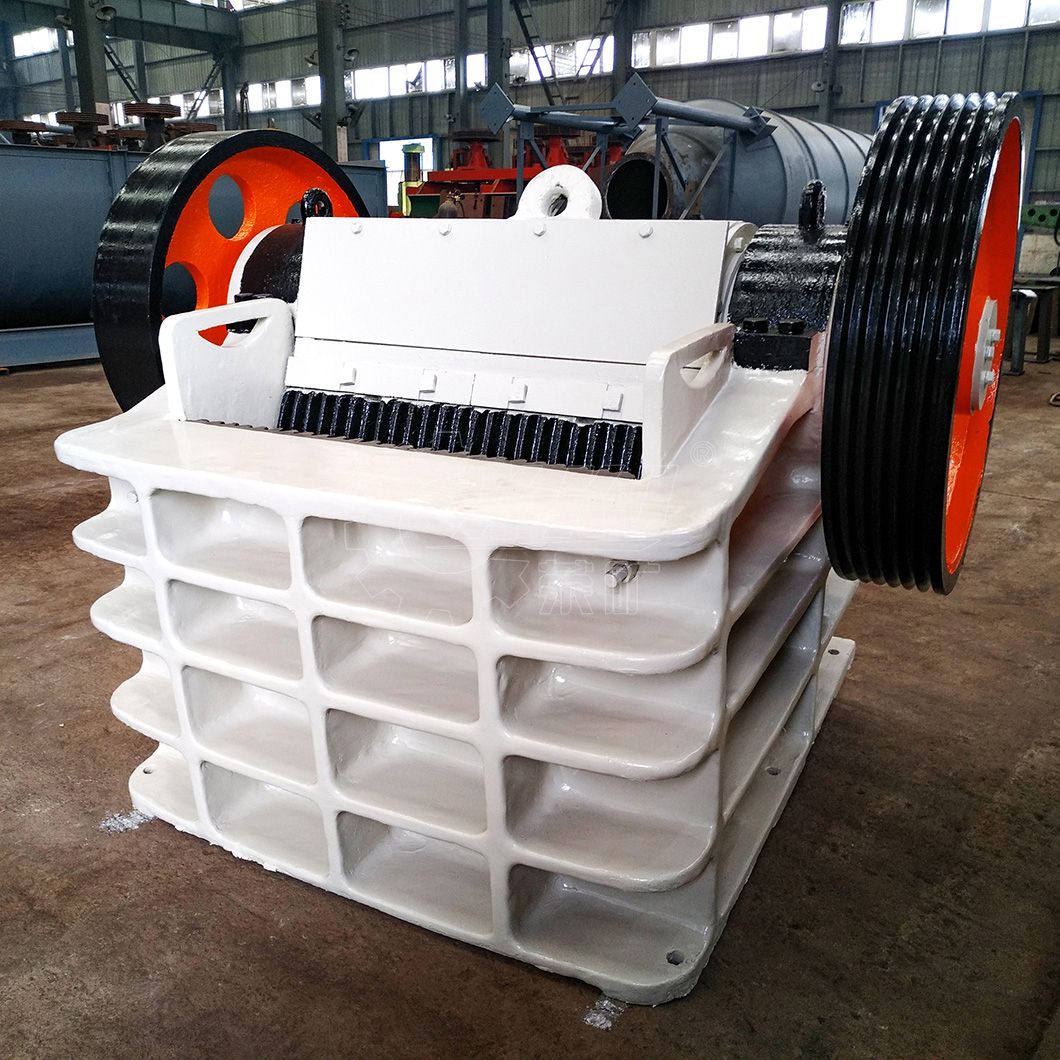
Difference in crushing mechanism
The cone crusher realizes multi-point extrusion of materials through the principle of laminated crushing. The material undergoes 5-7 effective crushing actions in a single crushing stroke, and the product particle size distribution coefficient can reach 0.8-1.2. The fine jaw crusher adopts a single-point impact crushing method, and the material only undergoes 2-3 effective crushings, and the crushing efficiency is 15%-20% lower than that of the cone crusher. This results in that when processing basalt, the needle-like content in the cone crusher product can be controlled below 8%, while the fine jaw crusher generally exceeds 15%.
Application scenario division
Cone crushers are suitable for processing high-hardness materials with a compressive strength of more than 300MPa, with an hourly output of up to 800 tons, and are equipped with a hydraulic system to achieve dynamic discharge port adjustment. Fine jaw crushers are mostly used to process medium-hard materials with a strength of less than 250MPa, with a maximum processing capacity of about 650 tons/hour, and use mechanical gaskets to adjust the discharge port. In the granite sand making line, the power consumption per ton of cone crusher is 0.8-1.2kW·h lower than that of fine jaw crusher, but the equipment procurement cost is 30%-40% higher.