
Selection Guide for Basalt, River Pebble, and Weathered Rock Crusher
1. Material Characteristics and Crushing Difficulties
Basalt
High hardness (Mohs hardness 7-8), high silicon content, extremely high wear resistance requirements for equipment.
Needle-like particles are easily produced during crushing, and the lamination crushing principle is required to reduce wear.
River Pebbles
Medium hardness (Mohs hardness 6-7), but strong abrasiveness, need to take into account both particle shape control and wear-resistant design.
Naturally rounded shape, sand making needs to strengthen shaping function.
Weathered Rock
Loose structure, brittle, need to avoid excessive crushing to produce powder during crushing.
Sand washing equipment is required when the mud content is high.
2. Recommended equipment and applicable scenarios
3. Production line configuration plan
Basalt crushing
Coarse crushing: jaw crusher (such as PE-750×1060, feed ≤630mm);
Medium and fine crushing: multi-cylinder hydraulic cone crusher (such as HPT series);
Sand making and shaping: VSI impact sand making machine (finished sand 0-5mm).
River pebble processing
Jaw crusher + impact crusher + impact sand making machine combination to optimize particle shape and output.
Weathered rock processing
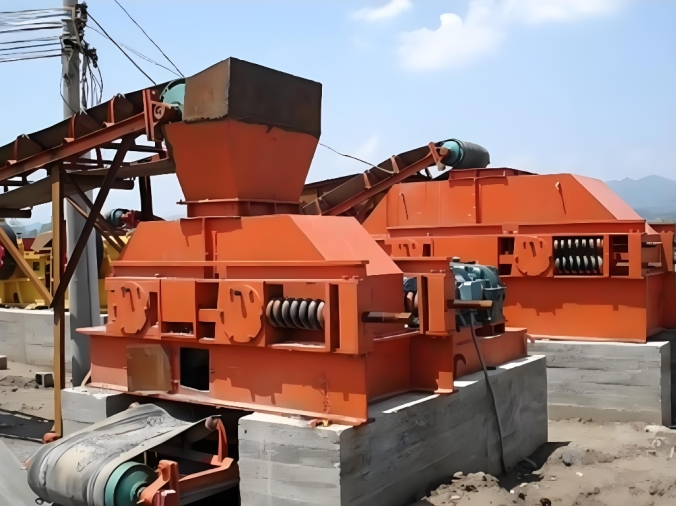
Double-toothed roller crusher or light impact crusher is mainly used, with circular vibrating screen for classification.
4. Selection considerations
Wear-resistant parts material: basalt requires high manganese steel or alloy steel lining;
Environmental protection requirements: closed design + bag dust collector (dust control>99%);
Mobile requirements: crawler mobile station is suitable for decentralized operations, but the cost is 30%-50% higher.