
The strength of an ore in resisting external forces during crushing is called its crushing difficulty. It is a measure of the ore's crushability and primarily depends on the ore's structural characteristics and crystal morphology. The primary factor influencing the difficulty of ore crushing is its hardness.
The difficulty of mineral crushing is related to the mineral's mechanical properties. The bonding forces between different mineral aggregates are weaker than the bonding forces within the same mineral. Within the same mineral aggregate, the bonding forces at the crystal faces are weaker than those within the crystals themselves. Generally speaking, the finer the mineral particle size, the more difficult it is to grind.
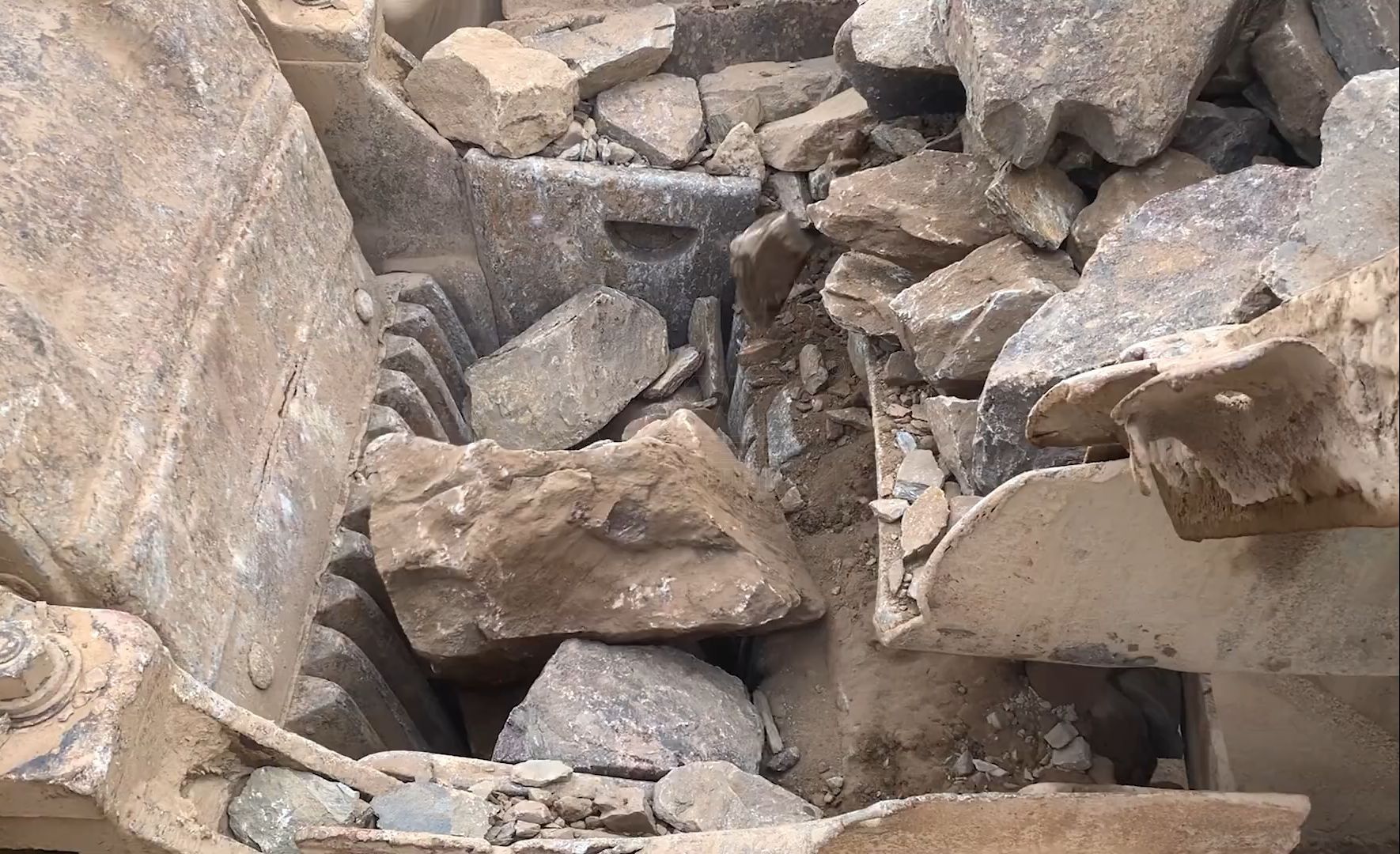
The difficulty of mineral crushing is also related to the mineral's brittleness: materials that exhibit little or no deformation before breaking are called brittle materials; materials that deform first and then break during crushing are called plastic materials. Coal and most other ores are brittle materials, and coal is classified as a soft mineral.
Ore is often a symbiosis of multiple minerals with different properties, and the degree of crushing varies between different minerals during crushing. Ore has a high compressive strength, followed by a low flexural strength, a low abrasive strength, and a low tensile strength.
The crushing method for ore is primarily determined by the ore's physical and mechanical properties, the size of the incoming ore, and the desired crushing ratio. Choosing the appropriate crushing method based on the ore's mechanical strength characteristics can ensure more efficient crushing.