
In lithium ore processing, the selection of crushing equipment directly determines the operational efficiency and economic benefits of the production line. For a production capacity of 30 tons per hour, ore characteristics, energy consumption, and maintenance costs must be comprehensively considered. The following are recommended professional equipment options.
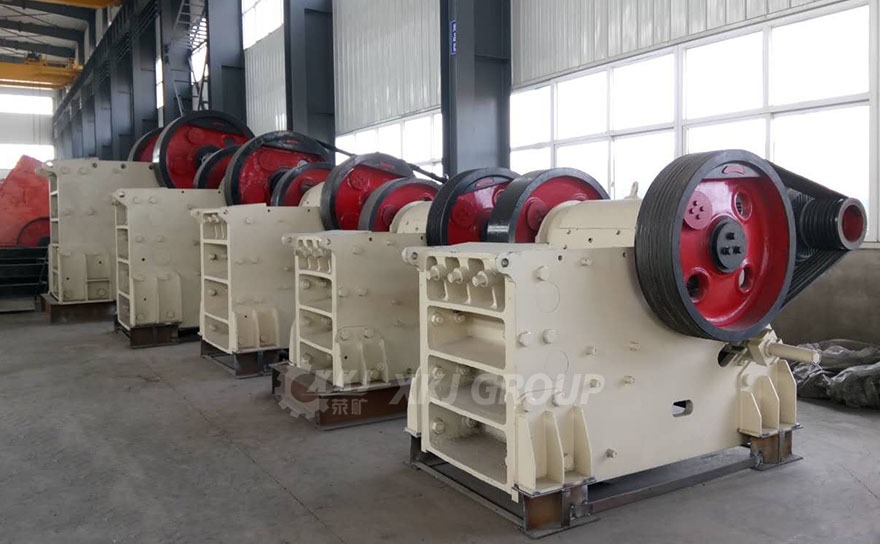
The key considerations for selecting lithium ore crushing equipment are hard rock crushing capacity and energy efficiency. Jaw crushers, with their high compressive strength (up to 320 MPa) and low maintenance costs, are the preferred choice for primary crushing. For example, the PE400×600 model, with its 30-50mm discharge adjustment range, meets the primary crushing requirements of most lithium ores. Its 30kW motor power design ensures maximum production capacity while achieving energy-saving performance of 1.2 kWh per ton.
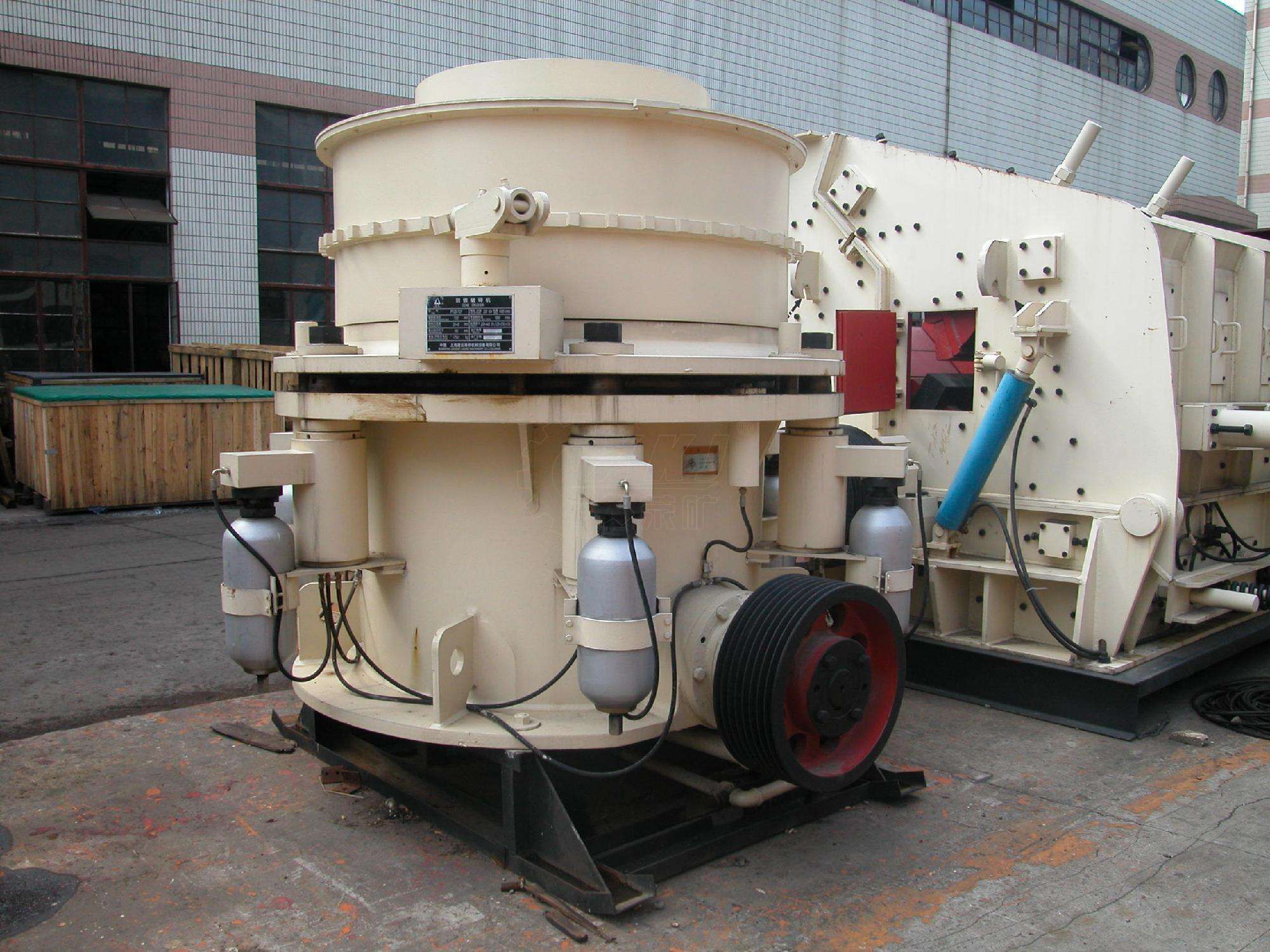
For secondary and fine crushing, cone crushers utilize a laminated crushing principle, making them particularly suitable for spodumene, a material with well-developed cleavage. The HPT300 series, with its hydraulically adjustable discharge opening (10-25 mm), increases the proportion of 0-5 mm fines in the finished product to over 65%. Impact crushers are suitable for shaping and crushing mica-type lithium ore. Their rotor linear speed of 75 m/s can effectively break off flaky minerals, but the hammer wear rate is 30% higher than that of cone crushers.
For supporting systems, a closed-circuit process combining a vibrating feeder and multi-layer screening is recommended. By controlling the circulating load rate below 150%, lithium loss due to over-crushing can be avoided. In lithium ore crushing production lines, equipment configuration must be tailored to the ore's characteristics. For hard rock spodumene, a combination of a PE jaw crusher and an HPT cone crusher for coarse and secondary crushing is recommended. The PE400×600 jaw crusher is used to crush the ore to less than 100 mm, followed by secondary crushing in an HPT300 cone crusher, ultimately producing a qualified particle size of 5-10 mm.